.svg)
.avif)
The way people look for things online is changing. Before, we used search engines like Google to find a list of links. Now, people are using AI tools, like ChatGPT, to get direct answers.
If you want these AI tools to use your information in their answers, you need a new plan. We spoke with SEO expert Sofian Bettayeb to understand how this works. He explained that there are three levels to getting your website ready for this new world.
Here is a simple guide based on his advice. If you want the full technical foundation first, start with our complete Webflow AEO guide.
Level 1: Make Sure the AI Can "Read" Your Website
The very first step is the most basic. You have to make sure your website is accessible to these LLMs. If they cannot get into your website, they cannot see your content.
You need to make sure they can "crawl" your site, which just means visiting it and retrieving the information.
There is good news here. Traditional Google search results can take one to three months to update. But with this new AI search, changes can happen fast. If you fix something, the AI might see it in hours or days.
A Simple Test You Can Do Today
Sofian suggests an easy test to see if your technical foundation is working.
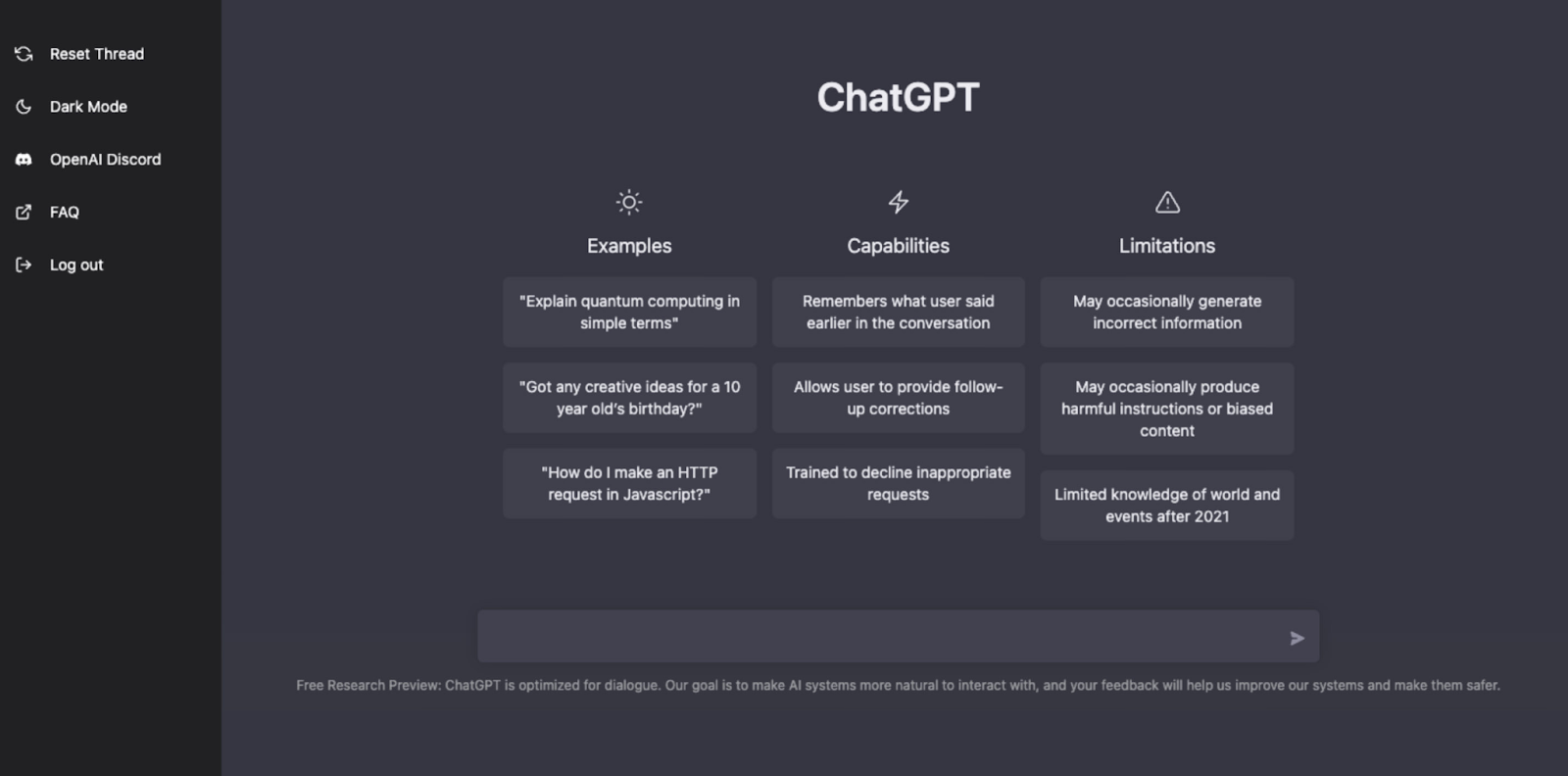
- Go to your own website. Find a specific bullet point or fact in one of your articles that you know is there.
- Go to ChatGPT.
- Ask it a very specific question that only that bullet point can answer. For example, ask: "Can you help me find [this specific fact] on my website?"
There are only two outcomes. Either it finds it, or it doesn't. If it can't find the information, you know you have a technical problem to fix first. If it does find it, your foundation is solid, and you can move to the next level. Our Webflow AEO guide covers the full technical checklist for this step.
Level 2: Write Answers That Fit the Question
Once the AI can physically read your site, the challenge changes. Now, it is not about your website anymore. It is about providing the right answer. You are fighting with other people's content to be the best answer.
You need to make sure your answer is the most accurate and relevant one for the specific question a user asks.
Match the Question exactly
There is no magic trick. The easiest way to help the AI is to make sure the exact question asked by people is used as a title on your page. This could be the main page title (H1) or a section title (H2).
If you hide the answer in a paragraph under a vague title like "FAQ" the AI will just assume your site isn't clear enough and will move to another one.
Go Deep, Not Broad
You likely won't rank for a very broad question like "What is the best agency?" That is too wide. We don't know where the user lives or what they need.
Your goal is to answer deeper questions. Instead of just "Webflow agency," aim to answer, "What is the best Webflow agency to increase my revenue?"
This means you have to differentiate yourself. You can't be the best for everyone in the world. You might focus on one country or one specific type of service. This might seem like you are excluding people, but it is a risk you have to take to have a chance at being the right answer for someone.
Level 3: Build Authority and Trust
The third level is about being chosen. An AI tool might find thousands of answers, but it only wants to give the user a small number, maybe five or ten. To be in that top group, you need authority.
Opinions vs. Signals
Sofian explains that this comes back to an old idea called E-E-A-T: expertise, experience, authority, and trust.
These signals are very important. If your website says, "We are the best agency," that is just your opinion. The AI needs more than that.
However, if you win an industry award or are mentioned on a list of top companies for 2025, those are real signals. They tell the AI, "It's not just their opinion; the industry thinks they are good, too." The AI will see that information as much more relevant.
Using Different Channels
Another way to show authority is by covering the same topic from different angles. But don't just copy the exact same article onto your website, Reddit, and LinkedIn. Sofian says duplicating content like that isn't very useful.
Instead, use different channels for different types of answers.
- You can have a professional article on your website.
- You might discuss pricing ranges more freely on Reddit.
- You can explore a topic in great detail during a video interview because it's a conversation.
Covering a topic from many angles helps the AI see you as a complete source.
Quality vs Quantity
While it has been repeated everywhere, to constantly upload articles and posts on different channels, Sofian advises against creating new content all the time. It is very demanding. Instead, he suggests reworking the content you already have. It is better to cover three to five topics very deeply and well than to cover 100 different topics poorly.
Level 4: Analyze Your Work (Tools & Measurement)
Once you have done the work, you need to know if it is actually working. Sofian Bettayeb shares a very clear warning about the tools you should use.
The "Old Reliable" Tools are Still the Best
Even though AI is new, the best tools to track your success are actually the older, traditional SEO tools.
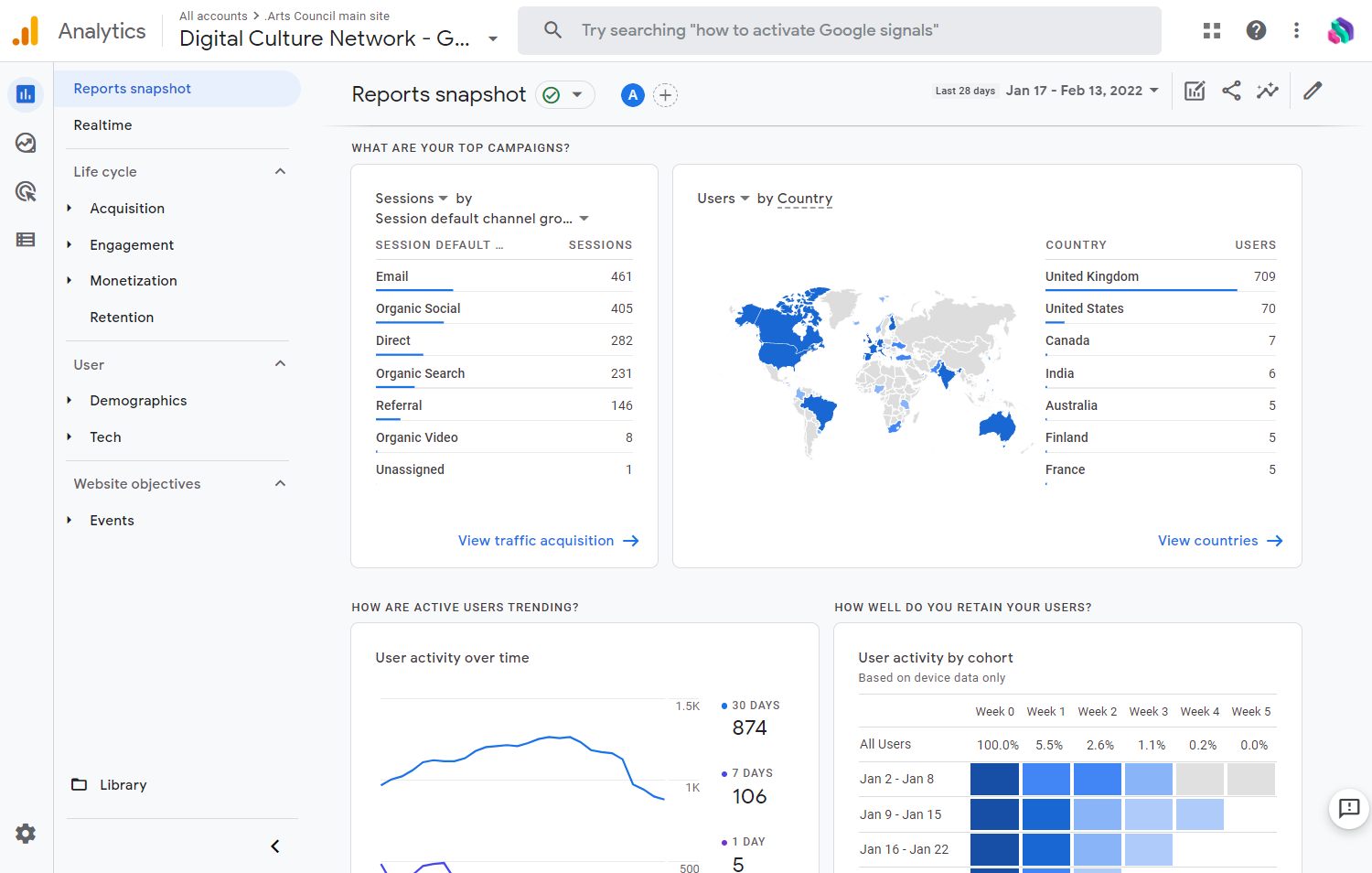
- Google Search Console & Bing Webmaster: These are the winners.
- Why? They give you the most accurate data about what people are actually searching for (keywords) and the topics that bring people to your site. Even if they don't tell you exactly what ChatGPT is thinking, they tell you what the users are asking.
Avoid the "Expensive New Toys"
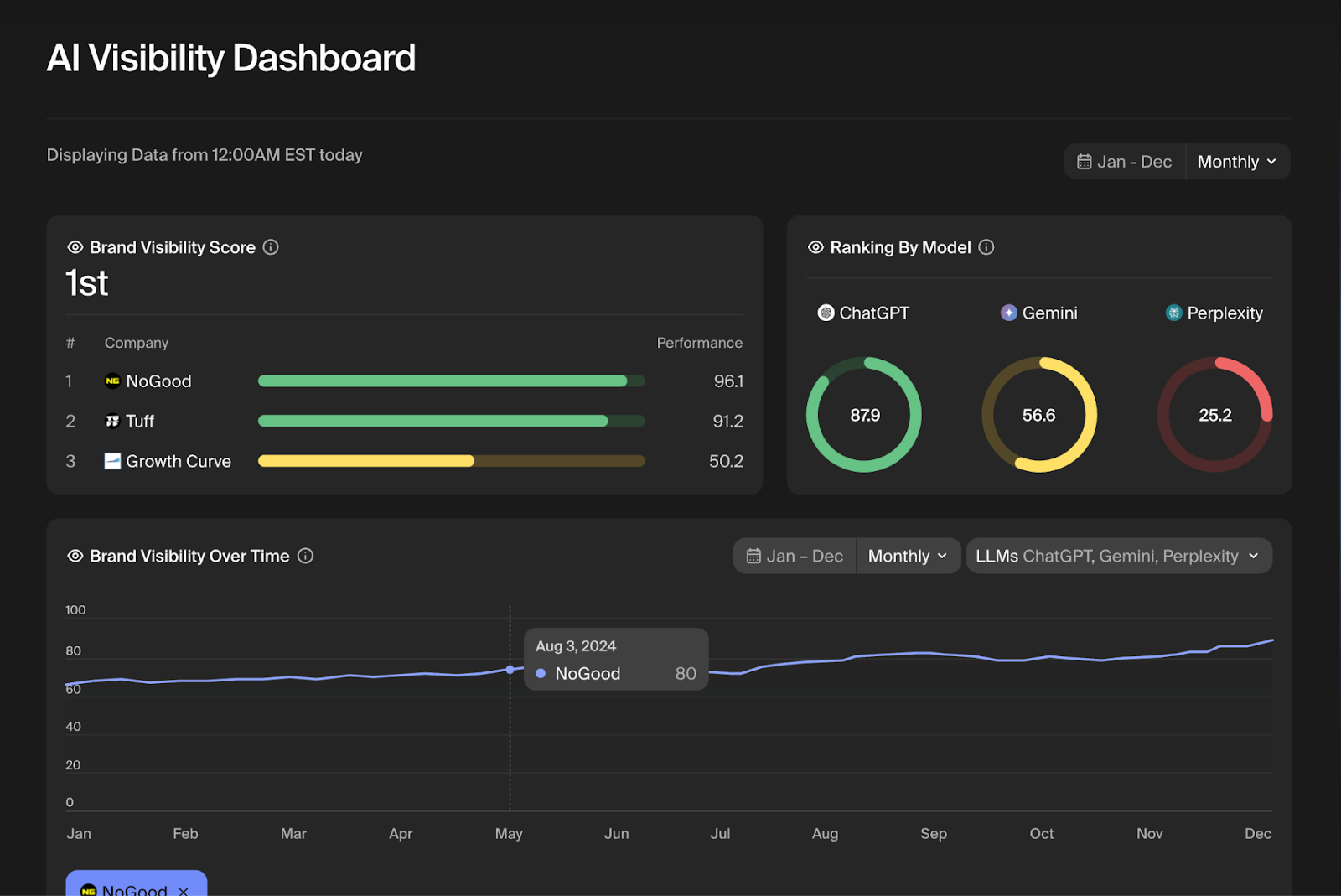
There is a new wave of tools appearing every day called "AI Visibility Tools." Sofian advises you to be very careful with these.
- The Problem: These tools often have "crazy pricing" because companies are trying to make money off the hype.
- The Reality: The insights they give you are often very low. You usually do not need to pay a huge monthly fee to know if you are visible.
The Better Way: The "Manual" Test
Instead of paying for expensive tools, you can build your own "visibility score" for free. It requires a little discipline, but it is accurate.
- Ask the Question: On a regular basis (like once a week), ask the same specific questions to different AI tools (like ChatGPT, Gemini, or Claude).
- Count the Mentions: See how many times your brand is mentioned in the answer.
- Take Action:
- No mention? Check your website (Technical Level 1).
- Mentioned, but not a top recommendation? Work on your authority and partnerships (Level 3).
- Mentioned perfectly? Great! Make sure your content matches what the AI is promising.
Don't Forget Attribution
Finally, use a standard analytics tool, like Google Analytics.
- The Goal: You don't just want mentions; you want business.
- What to track: Check if the traffic coming from these AI tools is actually converting (buying your product or signing up). If you get traffic but no sales, you might need to change your content strategy.
The Final Takeaway
It is important to know that these AI tools are still kind of a "black box." We don't know for sure exactly how they work, and we probably never will have total transparency.
But we do know they often use results from search engines to answer questions. So, to be in the top five answers for an AI, you still need to do the work to be in the top five on a regular search engine.
Focus on a strong technical foundation, providing clear answers to specific questions, and building real trust in your industry. For a data-backed look at how companies are preparing for this shift, read our analysis on AI website readiness in 2026, and to understand how Webflow is positioning itself as the platform for this new era, see The Future of AEO Is Now in the Hands of Webflow.
To act on this advice, the Webflow AEO guide covers the full method, and the AEO service page covers having it done for you.


.avif)